BASSMODE’S Debut: Post-Show Takeaways!

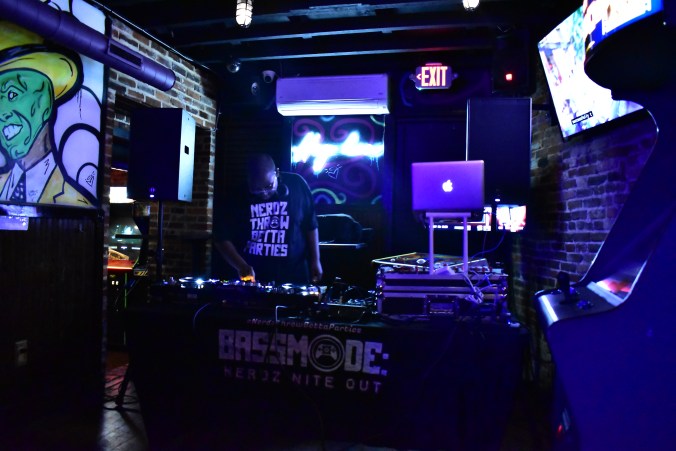
What a week! If you hadn’t heard by now, I’ve just wrapped up my first BASSMODE event that I ever hosted (curated). What started as a crazy idea stemming from various other nerd party promotions in New York City, has now come into floriation in Baltimore, Maryland. I’ve never did anything like this before, nor do I have any experience in doing anything like this. For me, the concept of BASSMODE didn’t just come from being inspired by NYC nerd parties, it came from a place where I felt indifferent about the future of my former venture. That venture being D&A Anime Blog. (I’ll talk more about that on a later post.)

So, if you’re wondering how the debut event went, it was FIRE! It was everything I thought it was going to turn out to be (in a good way), and I got the opportunity to connect with faces that were both familiar, and brand new. Last weekend’s debut marks the start of something big; something that I believe Baltimore needs since there is still a community of nerds, anime fans, music lovers, and gamers! Although New York has a lot of that in spades, Baltimore’s got BASSMODE, and last weekend was only a taste of what this nerd party promotion can, and will do!

BASSMODE’s debut event (DJs Max Evans and AJETT on the right)

Takeaways From BASSMODE’s Debut Event…

Last Saturday was the busiest day ever, but it was also the most exciting day ever! All of my hard work in promoting, and advertising this BASSMODE event paid off. This event will launch more events like this down the line, but if there’s anything that I’ve learned from taking a risk like this; is that if you don’t go for it while the opportunity is there, you’ll never know what could’ve been.

1. BALTIMORE NEEDS THIS!

When Otakon was in Baltimore, there was a massive community of anime/gaming nerds who flooded the streets and the convention center; blasting the sounds of TM Revolution, Gangnam Style, and anime dance remixes. At one point Baltimore was the ‘hot spot’ for otaku activity, as Otakon was the largest anime convention on the east coast. In 2016 we received the tragic news that Otakon was leaving for Washington, D.C. after the 2016 event was over. Also during that time, another convention was brewing that would launch the start of my other venture with D&A Anime Blog; Animore.

Animore was where I met a couple of the DJs from last weekend’s debut for the first time. For the next five years that convention was home; home to all of the awesome people that Aaron and I encountered, while I was a part of D&A. Then after January 2020, the pandemic happened. There were no cons or after parties anywhere for 2 years, so midway through 2023 (after the pandemic was declared officially over), I started creating the concept for BASSMODE. Long story short, Baltimore is in need of a nerd party promotion like this, and with Otakon and Animore gone, the con and nerd party scene has been rather dry. Khromakon is jumping in to help change that as well, and with BASSMODE and Khromakon together, we’re bringing nerd parties back to B-more!

2. A NEW PLATFORM FOR EMERGING DJs!

Baltimore has a lot of talent if you look hard enough. Baltimore also has some emerging DJs who are looking for opportunities to play at EDM, and electronic music-adjacent shows and festivals. While crafting BASSMODE last year, I was also looking for a way where I can have DJs showcase their skills in front of a crowd, while playing the music and sets they love without judgement. It was then that I decided to have multiple DJs play at my debut event, and not just me spinning music for 4 hours. (Not that I can’t, but that’s way too long to stand in one place!)

Doing it this way also gives new and upcoming DJs a chance to gain live experience playing in front of a crowd. (Which they can use to help build their resume, so they can play at bigger venues and events.) It’s also my way of giving back to not just the nerd community, but the DJ community as well.
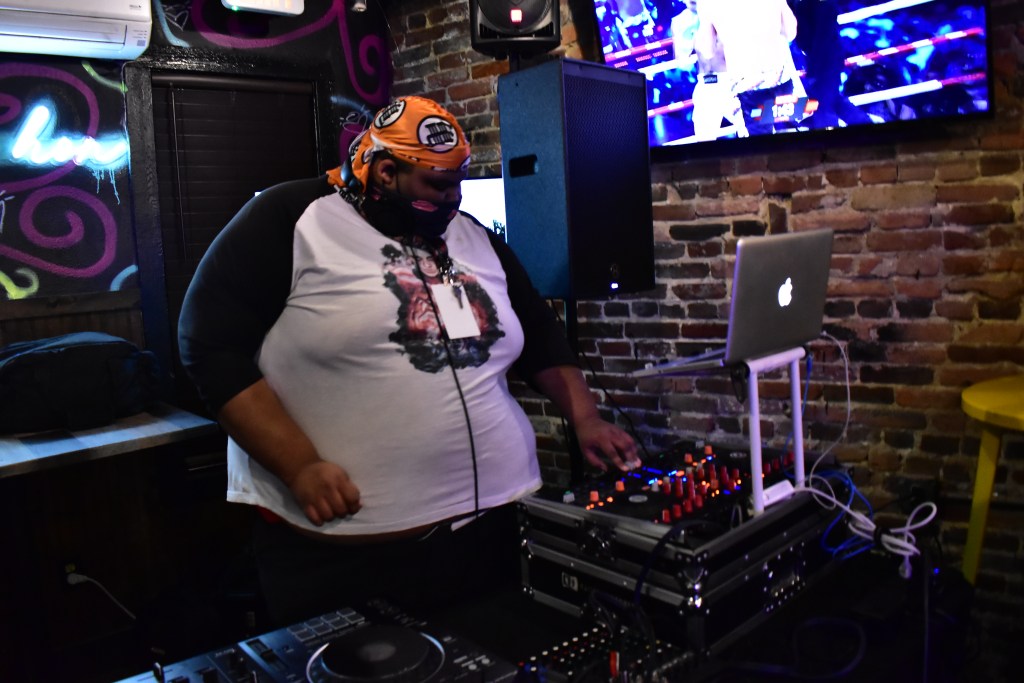
AJETT playing his DJ set at BASSMODE’s debut

3. IT’S BALTIMORE-BASED!

There have been a handful of promotions just like BASSMODE, that have hosted events in Baltimore. However many of them are from other states; such as New York, Cleveland, and Washington, D.C. (not that there’s anything wrong with that). The thing that makes BASSMODE unique is the fact that its a Baltimore-based entertainment promotion. It’s a nerd party promotion that is exclusive to Baltimore, Maryland! There is no other promotion like it in Baltimore, which means that there is ZERO competition, and that we’re a small fish in a big pond.

4. IT GIVES NERDS WHO LIKE TO PARTY SOMETHING TO DO!

Otakon and Animore were the place to be for anime and gaming nerds to either indulge in their passion(s), or party when the sun goes down during a con rave, or an off-site afterparty at a nightclub. Now with those two gone, its left the scene high and dry for nerds who are looking for somewhere to go, and something to do for the weekend. With BASSMODE around, nerds now have a place to let their hair down and turn up on the weekends. It’s why we live by our hashtag #NerdzThrowBettaParties!
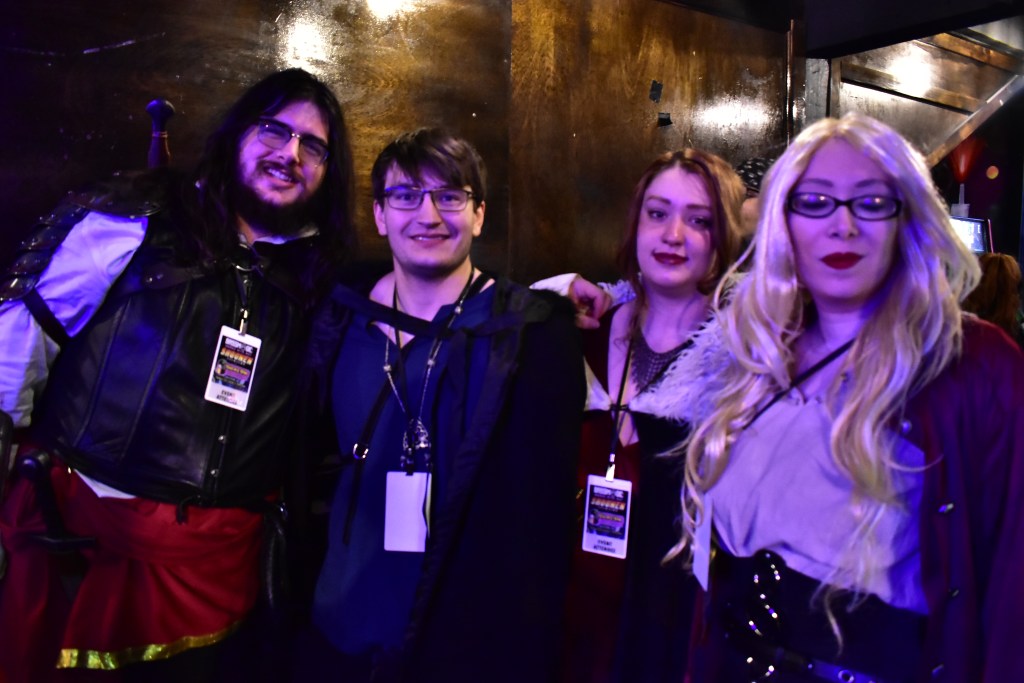
Cosplayers who came to BASSMODE’s debut event

5. IT’S A FUSION (HA!!) OF ‘THE CLUB LIFE’, AND NERD CULTURE!

Let’s not kid ourselves. Seeing a geek or a nerd at a nightclub is like seeing a bird flying into a grocery store; its funny and surprising to watch at first, but then you kinda feel sorry for him afterwards. With BASSMODE and other promotions like it in other states, the ‘club life’ has fused with nerd culture. Now nerds who have that party animal inside of them, can finally let loose and be themselves without judgement! It’s truly a great time to be a geek or a nerd; as well as a fan of anime, video games, music, and cosplay.

So will there be more BASSMODE parties?

Yeah, there will! This debut has solidified my confidence in doing this on a long-term basis. Do I want BASSMODE to reach a point where I can have concerts? Yes. Do I want BASSMODE to reach a point where it can have a spinoff anime and gaming convention called BASSMODE CON? Why not! There are so many paths that BASSMODE can take to become the #1 nerd party promotion in Baltimore, but it all kicks off from this debut.

Until the next one, keep spinnin’! ๐Ÿ˜‰

2-Track Minimum: Why I Don’t Produce (Make) Albums Anymore

Since I became a DJ in 2020 (also known as the ‘Era of the Pandemic DJs’), I’ve noticed a trend among DJ/Producers in the EDM space. Yes, I’m already aware that EDM is the ‘Rock & Roll’ of my generation as well as Gen Z, but the trend that I’m noticing is DJ/Producers (especially the up-and-coming ones) are dropping 2-track singles and EPs. I’m guessing this started happening for the digital music streaming era during 2021 and 2022, but honestly this format isn’t anything new. Artists like The Beatles and Prince & The Revolution released what was called a Double-A Side Single (two singles on one vinyl record) back during the 1960s-1980s. (Strawberry Fields Forever/Penny Lane and Let’s Go Crazy/Take Me With U.) Now with the way music trends are (especially when it comes to Spotify and TikTok), artists have started dropping singles on a consistent basis just to stay relevant with the times.

DJs and EDM producers have also adapted the ‘2-track release’ format, as since the umbrella-termed music genre is now a ‘singles-driven’ market. When I started producing professionally in 2019, I was a noob in trying to figure out if I should release an album or an EP. One year later I dropped my first EP; Minddgames.

My debut EP

I would’ve never figured out how to release my music on all major (and minor) music streaming platforms through DistroKid, had it not been for a fellow artist named King Shabazz (shout-out to the King, I appreciate you)! If there’s one thing I’ve learned as a music producer, its that albums take much longer to release than singles and EPs. Why? Because an album is a much larger body of production, and the creative process is geared towards telling a story, or even creating a feeling depending on the style and mood of the songs that are on it. The average number of songs on an album is between 9-13, and out of those 13, at least one or two of those songs may gain a spot on a Top 20 playlist.

Another thing that may be driving the return of the 2-track single release (or EP), is attention span. Unless you’ve established yourself 20+ years ago with multiple singles, albums, and EPs (and even have a dedicated fanbase like Beyonce’ and Taylor Swift), you’re gonna have to drop releases on a frequent and consistent basis to even get ‘noticed’ on the charts. If you’re an Electronic Music Producer & DJ, all it takes is one banger of a track (and the right amount of marketing), and you’ll be on the road to chart-topping success in no time.

That’s why I’ve decided to switch up the way I produce music these days; I like producing albums and EPs, but later I find myself in ‘creative fatigue’ with arrangements that sound like previous arrangements to tracks that I’ve already released. Also I’ve taken a more ‘quality over quantity’ approach with how I produce my music, so that listeners and enthusiasts who are looking for something EDM-adjacent, may give my discography a shot. Maybe somewhere down the line if my fanbase gets larger I’ll release a new album, but for now, two tracks is good enough for me!

Until next post, keep spinnin’!ย  ย 

DJing at Anime Conventions (And Why I Think You Should)!

Music festivals, nightclubs, and after parties. Those are the most common places that you’ll find DJs; regardless of their status on social media, how many mixes they have on Mixcloud, or the number of chart-topping hits that they’ve produced. There are also places where you wouldn’t normally find DJs doing sets; such as the Grand Canyon, or even the Empire State Building. (I know that’s on somebody’s DJ bucket list, but it sure won’t be on mine!) With all of that said, I have a place in mind where I wish some semi-famous (or even famous) DJs would spin music at; anime conventions. Yes, I said it…anime conventions!ย 

DJ Mandalorian on da’ deckz!

Okay, so I may have talked about this on a certain anime blog that I’m also the owner of, but I truly believe that DJing an anime convention might not be such a bad idea. Sure, it may not be the ideal place for some (depending if you like anime or not), but compared to the ‘club-standard’ rules of making sure that your selection is tailored to the venue’s taste, you have a lot more freedom in playing what you want to play. (They still have certain rules over playing uncut versions of songs.)

With anime conventions, your song selection can be pretty loose and non-restrictive in terms of what genre(s) of music to play. As a 12-year veteran in the convention circuit; I can say without a doubt that anime convention rave crowds like a lot of Hardstyle, Kawaii Bass, Drum and Bass, EDM Trap, and Tech House. (Even some Hip-Hop and Moombahton too!) If you’re a DJ who spins that kind of music, you’ve got it made. Now you’re probably wondering if there have been any famous DJs who have DJed at an anime convention before, right? Well the answer is yes. DJ Heavygrinder, a DJ/Producer out of Seattle, Washington, has DJed for Anime Expo several times. Another is DJ Icey, who was the DJ for Otakon’s 2013 Otakurave. Imagine how turn’d up Anime Expo would be if you got guys like Skrillex, Steve Aoki, or Martin Garrix on the decks. Just a thought…

Wrapping up; DJing at an anime convention gives you so much leeway in song selection, and how the crowd reacts to said song selection. You will have the time of your life should you decide to DJ at one, as you don’t have to worry about anyone trippin’ on LSD (or whatever pills they used to pop at the old-school 90’s raves), wallflowers, or 75% of the crowd recording you and your set with their phones. Everyone is there dancing and having a nerdy good time, and you as the DJ are providing that for them. If you’re lucky, you might even get paid to DJ at some of these conventions (at least at the big ones), but regardless, DJing at an anime convention should be on every DJ’s bucket list!

Until next time, keep spinnin’! ๐Ÿ˜‰

Making The B(r)and: How DJs Market Themselves

If there’s one thing I know about DJs in the modern world, its the fact that they have something special attached to their sound, that speaks to their fans about their overall identity in the music industry. It represents who they are as an artist, what music genres they specialize in, and any other signature traits they may carry with them (or execute on stage). With the market of DJing being as saturated and competitive as it is, many are branding themselves in hopes of standing out from the crowd. But what does it mean to brand yourself as a DJ? Not only that, but how is your brand going to help you stand out from the rest of the herd?

These aren’t band names, these are DJ logos (brands)

DJ logos! I honestly don’t know when this trend of DJ branding started, but I’m gonna take a shot in the dark and say around the late 2000’s. Just like your favorite underground alternative rock band had their logo plastered on the front of the drummers…kick drum, DJ’s have their logos branded on their attire, and even on the DJ equipment they use to perform their live DJ sets. Having a DJ brand can really set you apart from the competition, however your brand alone isn’t gonna land you gigs as easily as you think.

You have to go through and learn the practice of marketing and advertising yourself (a.k.a. Your Brand), in order to get promoters interested. Having a website helps too, and you might as well throw in social media and music streaming platforms as an added bonus. Marketing yourself as a DJ can be a bit hard and rather tedious, when you have little to no experience in how to do it effectively. Major record labels either have in-house marketing, or a third party marketing and advertising agency that they use for all of their new, and current talent. When you’re a DJ/Producer who is either not signed to a label, or you’ve decided to go independent (like I did), marketing your brand is going to be the most importing thing that will make or break your career. So let’s say you’ve already got your brand and your sound, now…who do you market to?

Who is your music brand for?

Target Audience

This is the first thing all newbie DJ/Producers with a brand should do before doing anything else. This is also the first thing every company does when they want to sell a product to a consumer. Figure out how to market your DJ brand, by figuring out who your brand’s target audience is! For EDM in this case, you’re looking at your 20s and 30s age group; as that’s the group that listens to the subgenres attached to it the most. (Also they’re the group that you’ll see the most of at electronic music festivals.) If you’re like me, and like the more subtle side of electronic music; particularly in the House music genre, then your audience will probably be the 30-40 year old crowd. Once you figure out who your target audience is, then the next step is all about communication.

Online Presence

You now have a target audience, but where can they find you? There are so many online platforms out there for DJs to market themselves as well as their skills, which makes advertising easier than it was 20+ years ago. In the 90’s when electronic dance music made its way into the States, the only way you knew about it were the posters that your third cousin (twice removed) slapped on the sides of buildings and college bulletin boards. (We’ll get to the Raves of the 90’s in another post.)

Now with social media in the form it is today, DJs can market themselves online and build up a following. There’s also music distribution websites like Distrokid and Tunecore, if DJs wanna take a crack at producing their own music. There’s even livestreaming tools like Twitch and Mixcloud for DJs to showcase what they can do, and also send out demo links to promoters. Having an online presence is key when marketing yourself, but now…what about the financial aspect?

Promotion & Costs

We all know the old saying ‘you’ve gotta spend money, to make money’, right? Well, its true. Do you think any of your favorite DJs got to where they are today by playing all their sets for free? Nope. If you’ve managed to somehow book yourself a gig; have a decent following on social media, and some well-mixed DJ mixes on Mixcloud (or livestreams on Twitch), its time to set a price for what you do. Honestly your price should be determined by your skill level, and not your follower count (though it does help your credibility). Some DJs will probably charge around $75-$150 an hour if their level of skill is novice/intermediate. Others will charge a minimum amount for the time they’re at the event; mostly a 2 or 3-hour minimum, with additional costs like travel and additional equipment they have to bring – like speakers.

Promotion also costs money too; especially if you’re trying to get bookings at a nightclub, a festival, or even getting signed to a record label. The cool thing is that you have a set budget in how much money you want to spend on promotion, of course you also have to do some research into the right kind of promotion. The reason why I say that? Well there are some music promotion sites out there that will say that they’ll help you, but end up flooding your music streams with bots; which is against a lot of well-known music streaming services like Spotify and Apple Music.

So…promotion, marketing, and advertising. What’s next?

Networking

Let’s not kid ourselves. In business its not always about what you know, but who you know. Promotion, marketing, and advertising are big things you need to do in order to make your DJ brand successful. Networking is the glue that holds everything together. Its the best kind of organic promotion, and it can potentially land you gigs. There is no famous DJ that I know of, who made it big without networking. Doing this along with marketing, promotion, and advertising you brand can (and will) set you apart from other DJs who do the bare minimum; if any minimum at all.

This pretty much wraps up how DJs market themselves. I know this post makes it look like I’m an expert on this subject, but really, I’m only 3 years into this myself. A lot of what I shared in this post comes from my other venture as an anime podcaster and blogger; especially the marketing and advertising aspect of promoting your brand. So if you’re a DJ looking to stand apart and stand out, these four tools are what you’re gonna need to make your brand, a household name.

Until next time, keep on spinnin’! ๐Ÿ˜‰

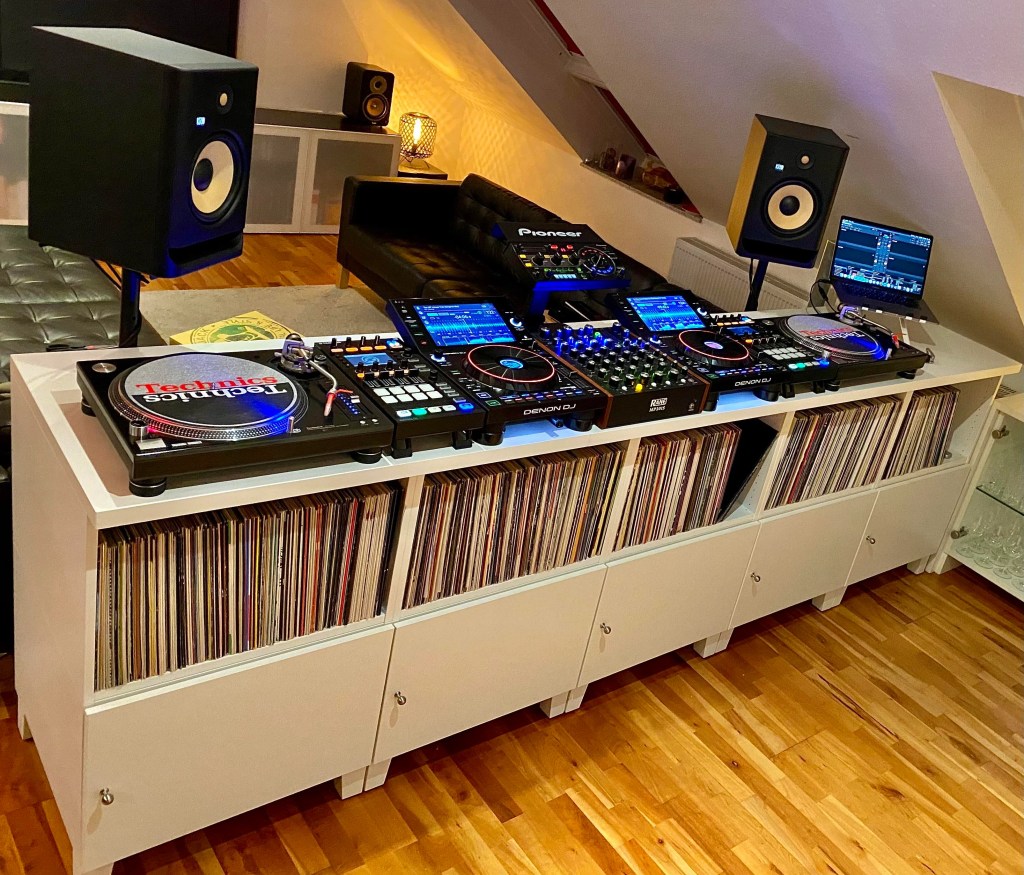
Pandem DJ: The ‘New’ Bedroom DJ

By the time the end of 2019 rolled around, many of us were preparing ourselves for a brand new decade. The 2010s had some neat, awesome, sad, disgusting, and hopeful events that happened; especially in the music industry. Pioneer introduced the “Standalone Series” ofย  All-in-One DJ equipment during this decade; allowing aspiring DJs (that had the money) to follow their dreams of making it big, and hopefully opening up for some of their favorite superstars. 2019 was also the year the XDJ-XZ came out, which for many, is the de facto standalone system for DJs who want that feel of playing on real club gear. Enter 2020, the start of the next decade! What new music will we hear from our favorite EDM artists? What new DJ gear will we get to see at the next NAMM Expo? What exciting new possibilities await for us as we step into the next decade? What – oh…

2020 was also the year the biggest epidemic to ever hit the U.S. happened, and has never caused this much chaos since the Spanish Flu of 1918. Everyone knew where they were when the first case happened, and because of the level of politically charged baggage that’s associated with this particular epidemic, it has left many of us to socially distance ourselves from others whom we’ve once considered as friends and family. (Even our extended relatives.) No nightclubs, no events, and no outdoor EDM festivals could be found anywhere during this time. It was also the year that touring DJs became bedroom DJs once again, although for many of them, that’s actually how they got their start. (Myself included.)

There was one other thing I’ve also noticed during 2020; the amount of bedroom DJs I found on Spotify and Mixcloud was insane! During the latter part of the year, a lot of aspiring DJs who managed to save up and get their gear and start practicing, have started popping up all over the place through livestreams on Twitch and Youtube (if it didn’t get a copyright strike). Despite all the craziness and lack of common sense the pandemic caused, I would consider 2020 as the “Year of the Pandem DJ“. (Yes, I’m a ‘Pandem DJ‘ too.)

Nevertheless it was the year that video streaming platforms like Zoom were getting an insane amount or members (or subscribers), due to everyone from everywhere being online – cuz’ everything was shut down! While some DJs decided to try their hand at other ventures and hang up their headphones, other ‘Pandem DJs’ took to Twitch or Mixcloud and started streaming their DJ sets live; hoping to boost their presence within the community, follow their dreams, and just have fun doing it.

Honestly, the pandemic made a lot of people really question themselves as to where they will see themselves in five years. I asked myself this same question in 2018, and I never thought I would become a DJ in a pandemic. Now that there are aspiring DJs who have now become bedroom DJs during a pandemic, where do they go from here? Sure, clubs and lounges have re-opened their doors to crowds again; with promoters on the hunt for DJs to spin at said establishments, but for ‘Pandem DJs’, what other alternatives do they have if they’re not confident enough to perform in front of large crowds?

That’s right; 2020 also gave rise to Twitch DJs (which I already said before), Mixcloud Livestream DJs, and Zoom Rave DJs. With so many online platforms and marketing tools out there for bedroom DJs to build a following from, I wouldn’t be surprised if the biggest names in this new age of livestream DJing, can only be found and heard on Twitch. VR has also given bedroom DJs a place where they can DJ at their favorite music festivals, without actually being there. They even have VR Raves where users have their avatars dancing to the music the VR DJ throws on, which might be the next step in Stay-at-Home DJing. As for me, I’m not quite ready for the VR world of DJing just yet, but it’s awesome to discover so many new and upcoming DJs who came from one of the worst events in human history, are trying to make this world a better place one beat at a time.

Until next time, keep on spinnin’! ๐Ÿ˜‰